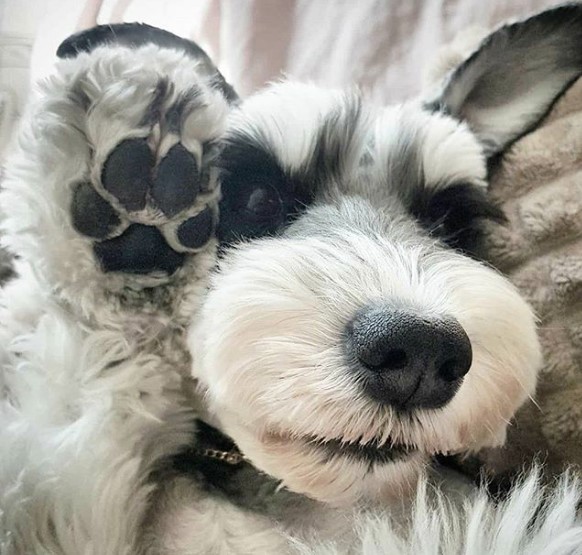
Have you ever noticed how schnauzers and their owners often share strikingly similar traits? A laid-back schnauzer living with a calm, low-key owner or an energetic schnauzer mirroring an active, outgoing pet parent may not be just a coincidence. According to science, a schnauzer’s personality is closely linked to the personality of its owner.
In a study published in Applied Animal Behaviour Science, researchers explored the connection between human and dog personalities. By examining “The Big Five” personality traits—widely used in psychology—they discovered that pet parents and their dogs influence each other over time.
“The Big Five” include:
- Neuroticism: A tendency toward anxiety and fear.
- Extraversion: Sociability and energy levels.
- Conscientiousness: Discipline, organization, and responsibility.
- Agreeableness: Empathy, kindness, and cooperation.
- Openness: Creativity, curiosity, and openness to new experiences.
Schnauzers, like humans, are dynamic beings. From playful puppies to mature adults, their personalities are shaped by both their biology and their environment—including the personalities and habits of their owners.
Schnauzers: The Charismatic Companions
Schnauzers, known for their boldness and intelligence, have distinctive personalities that make them stand out among dog breeds. Whether it’s a miniature schnauzer’s feisty playfulness or a giant schnauzer’s calm protectiveness, their traits are often described as:
- Loyal and Protective: Schnauzers are natural guardians with an innate sense of responsibility toward their families.
- Energetic and Playful: Their high energy levels make them ideal companions for active households.
- Independent Yet Affectionate: While schnauzers are independent thinkers, they form deep emotional bonds with their humans.
- Curious and Intelligent: Schnauzers are problem-solvers, thriving on mental stimulation and challenges.
These traits create a foundation for their personalities, but research shows that schnauzers don’t just have static personalities—they adapt and evolve, often reflecting their owners’ behaviors and emotions.

The Science of Personality Alignment
Research led by William Chopik, a professor of psychology at Michigan State University, provides groundbreaking insights into how dogs and humans influence one another. Chopik surveyed over 1,600 dog owners across 50 breeds, including schnauzers, to explore how age, environment, and owner interaction shape a dog’s personality.
Key Findings:
- Dogs and Owners Mirror Each Other
Schnauzers often reflect their owners’ personality traits. Energetic and extroverted owners typically report having excitable, playful schnauzers, while calm, introspective owners tend to have more reserved pets. - Personality Evolves With Age
Schnauzers’ personalities change over time, much like their owners’. Puppies are excitable and impulsive, but as they grow older, they often become more balanced and predictable. - Training Enhances Positive Traits
Schnauzers trained consistently during their “sweet spot” (around six months to one year) exhibit more positive personality traits throughout their lives. - Strong Bonds Matter
Owners who invest time in bonding activities, such as play and training, report the happiest and most fulfilling relationships with their schnauzers.
How Schnauzers Adopt Their Owners’ Traits
Schnauzers are highly perceptive and quick to adapt to their environments, making them particularly likely to adopt the personality traits of their owners. Here’s how different traits manifest in schnauzers:
1. Outgoing Owners and Energetic Schnauzers
If you’re an extroverted, social individual, your schnauzer will likely reflect your energy. Frequent walks, playdates, and adventures will keep them just as lively and spirited as you are.
2. Calm Owners and Relaxed Schnauzers
For owners who prefer a quieter, more laid-back lifestyle, schnauzers often become equally composed and enjoy calm, predictable routines.
3. Organized Owners and Well-Trained Schnauzers
Schnauzers thrive under consistent guidance. Conscientious owners who stick to structured routines and training schedules often raise disciplined and well-mannered pets.
4. Creative Owners and Curious Schnauzers
If you’re imaginative and curious, your schnauzer will likely develop a love for exploration and problem-solving activities, such as agility courses or puzzle toys.
The Lifelong Evolution of Schnauzer Personalities
Just like humans, schnauzers’ personalities are not static—they evolve throughout their lives. This evolution depends on factors like age, experiences, and their relationship with their owner.
- Puppyhood (0–1 Year)
Schnauzer puppies are bundles of energy, eager to explore the world around them. Training during this stage sets the foundation for their future behavior. - Adulthood (1–6 Years)
During these years, schnauzers often balance their playful and protective instincts. This is the best time to strengthen training and introduce them to new experiences. - Senior Years (7+ Years)
Older schnauzers tend to be more settled and predictable. However, they still need mental and physical stimulation to remain healthy and happy.

How Owners Can Shape Their Schnauzer’s Personality
Your schnauzer’s personality is a reflection of the care, attention, and environment you provide. Here are some ways you can positively influence their traits:
1. Provide Consistent Training
Schnauzers are intelligent and thrive on structure. Early and consistent training ensures they develop good habits and a balanced personality.
2. Encourage Socialization
Expose your schnauzer to new people, pets, and environments from a young age. This reduces anxiety and promotes confidence.
3. Keep Them Active
Regular exercise and mental stimulation are essential for schnauzers. Activities like fetch, agility training, or solving puzzle toys can channel their energy and curiosity.
4. Show Patience and Love
Building a strong bond with your schnauzer requires patience, especially during their more challenging stages. Positive reinforcement and affection go a long way in shaping their behavior.
The Role of Nature and Nurture in Schnauzers
Schnauzers, like humans, are shaped by both their genetics and environment. While some traits, such as their alertness or loyalty, are inherent, others are molded by their upbringing and interactions.
For example:
- Nature: Schnauzers’ protective instincts and energy levels are part of their genetic makeup.
- Nurture: A loving home, consistent training, and socialization can enhance their confidence and adaptability.
This interplay between nature and nurture explains why schnauzers adopted from shelters often transform into relaxed, sociable pets when placed in a caring environment.
A Lasting Bond
Your schnauzer is more than just a pet—they’re a reflection of you. Every walk, training session, and cuddle strengthens the bond you share and shapes their personality. As research has shown, this connection is dynamic and transformative, benefiting both schnauzers and their owners.
By understanding the science of personality alignment and investing in your schnauzer’s development, you can ensure they grow into a loyal, loving companion who enriches your life in countless ways.
So, the next time your schnauzer mirrors your mood or greets you with their signature enthusiasm, remember: they’re not just copying you—they’re reflecting the love and care you’ve shared with them.