

Dogs can’t speak but they try to communicate with humans all the time. They have a complex language of nonverbal communication that can tell us when they’re happy or sad, fearful or angry, confident or nervous.
Canine body language is the sum of a dogs facial expressions and body postures that communicate their emotions and intentions to those around them. It’s up to us to learn how to interpret this language.
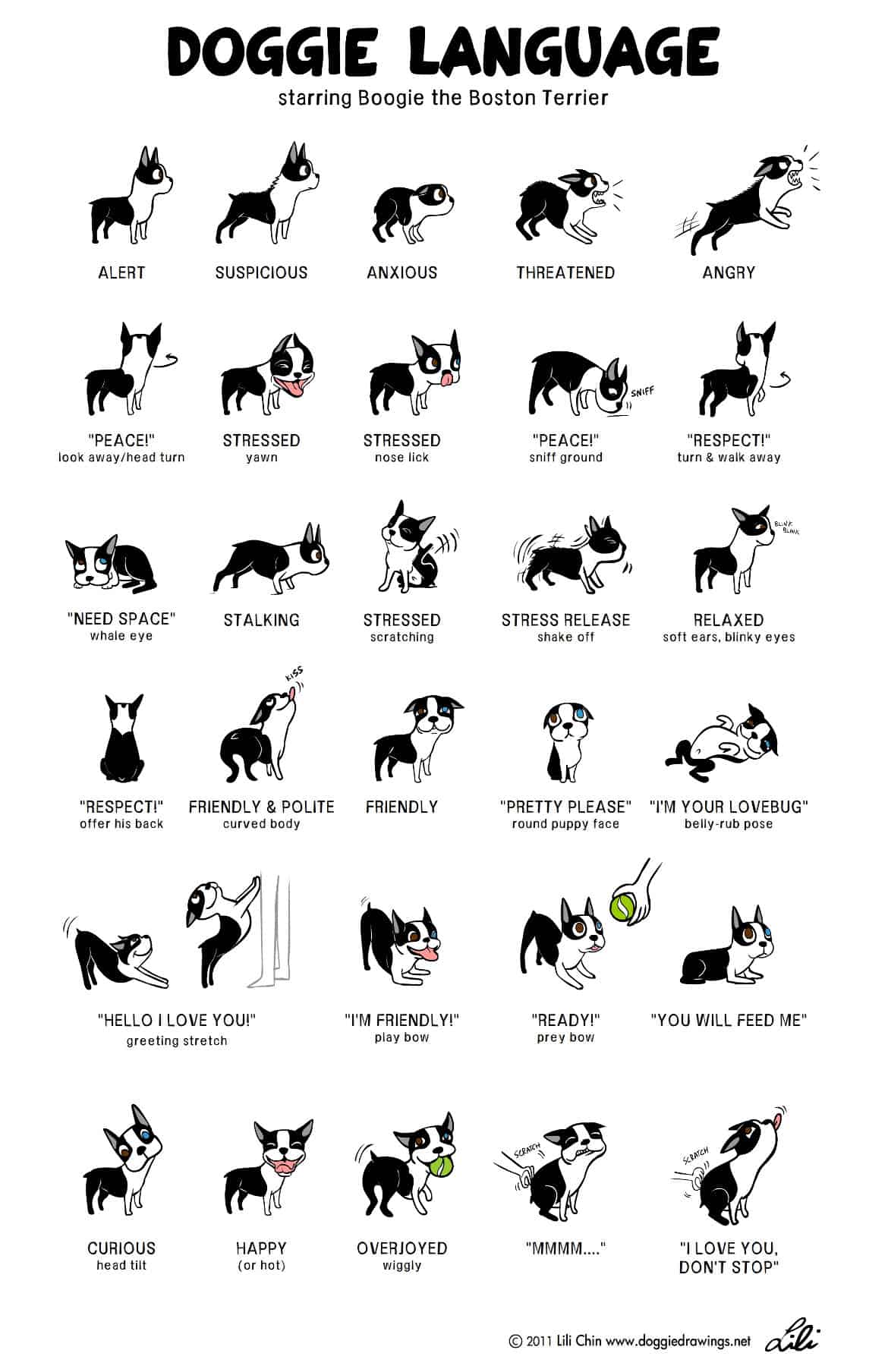
But why is understanding your Labrador so important? Because it’s vital that you know when your Labrador’s worried or fearful, insecure or scared, annoyed or angry.
If you can recognize the signs that show these emotions you’ll be able to reassure and protect your lab when he needs it and adjust your behavior to interact more considerately and safely if he’s feeling angry or aggressive.
This is a very useful skill to have!
This article will teach you how to analyze your Labradors facial expressions and body postures to determine how your Lab feels and what he’s thinking.

Canine Body Language Broken Down into Separate Body Parts
Before discussing how to interpret the overall postures and gestures of your Labrador, it’s useful to first break down and discuss the different body parts that you need to take note of, especially the facial expressions and the way the tail is held.
Studying the component parts of canine body language will teach you the skills to take note of every area of your lab before deciding on how he’s feeling. It’s important you look at every body part, then add this up to the whole dog because there are some subtle differences that could be misread.
It’s in The Eyes
Just as you can a human, you can learn a lot from reading what’s in your Labradors eyes. Whether they’re staring hard at you, looking away, are wide-eyed or squinting can all say something about how they feel.
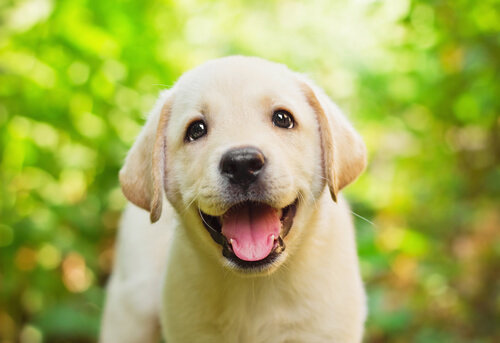
- Normal, almond-shaped eyes: Your Labrador’s feeling relaxed and happy.
- Wide, rounded eyes: This will usually show feeling threatened, fearful or stressed.
- Squinting eyes: When a dog is feeling in pain or is sick, they will often squint their eyes…but they could also be feeling submissive or tired. You need to assess the overall situation.
- Staring straight at you: If your Labrador’s staring directly at you with a tense…or intense…facial expression, it’s very likely a threat and it’d be wise to slowly look away. This is different to looking directly at you when relaxed and happy as they learn it’s OK to do this, when wanting attention or to play.
- Looking away: A dog that looks away is one that doesn’t want to look threatening or aggressive. It’s a sign of politeness, of being submissive. But it can also mean they’re nervous about the situation they’re in and could be feeling fearful.
- ‘Whale eye’: If your Labrador’s watching you intently, but not staring directly at you, from the corner of his eyes so that the whites of his eyes are showing, this is known as ‘whale eye’. This signal is very often seen before an aggressive outburst so if you see this, you should stop whatever it is you’re doing and move away from your Lab. It’s often seen when they’re resource guarding a bone or a favorite toy.
The Mouth Says a Lot
The way your Labrador controls its mouth, its lips and teeth can say a lot about their feelings.

When feeling:
- Relaxed and happy: The mouth is closed or just slightly opened if hot and panting to cool down.
- Feeling aggressive: Your Labrador will bear it’s teeth by pulling its top lip upwards and its bottom lip down, wrinkling its muzzle and sometimes growling aggressively. This is your Lab showing teeth intending to bite! You should stop what you’re doing and back away to defuse the situation.
- Submissive (‘Submissive grin’): When some dogs (not all) feel extremely submissive, they pull their top lip up and display their front teeth. This signal is almost always seen with an overall submissive body posture, such as a lowered head and squinting narrowed eyes. Often people will think their dog is being aggressive due to showing his teeth. But a dog with a ‘submissive grin’ is trying to communicate exactly the opposite and is trying to appease you, not be aggressive.
- Lip licking: A dog might lick its lips when it’s feeling stressed, unsure of itself or threatened. It’s a submissive behavior and doesn’t usually precede aggression, but as your Lab could be fearful, you should take care as it could escalate into aggression if the stressful situation continues.
- Yawning: Is a calming signal used to relieve personal tension when slightly stressed or confused. But like in humans, dogs will also yawn when tired and it does seem contagious (test it by yawning in front of your Labrador in an exaggerated way for a little fun 🙂 )
The Tail Tells Many a Tale
We’ve all heard that a wagging tail means a happy dog right? WRONG! It’s not always the case as a dog will also wag their tail when feeling aggressive!
As adults we’re usually more in tune with how a dog’s feeling due to our experience, but to a naïve child with little or no experience of time with dogs, telling them that a wagging tail means a happy dog could lead to dangerous situations! Read on to learn how your Labradors tail reacts to different emotions:
When your Labrador is:
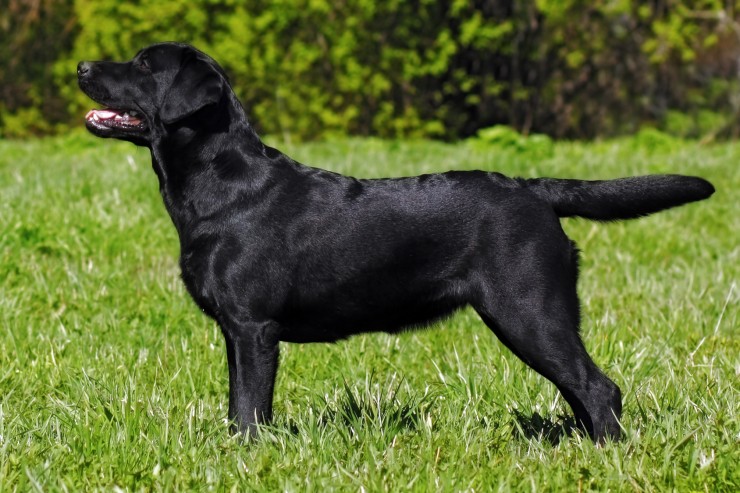
- Relaxed and friendly: Then his tail will be held in a natural position, level with the body or just a little lower.
- Happy: The tail will be in a natural position but wagging slowly from side to side. When really, VERY happy, the tail will wag much more forcefully, perhaps even wagging his entire rear end and hips!
- Feeling aggressive: And here’s what most people don’t realise: Your Labrador may wag his tail if he’s feeling aggressive, threatening or dominant! A tail held very high, stiff and moving purposefully back and forth shows confidence and dominance. Your Lab’s showing that he won’t back down!
- Fearful and afraid: Your Labrador will hold its tail very low, perhaps even tucked between the legs. This signals fear for the current situation, your Lab is scared. Confusingly though, your Lab may still wag his tail which is a submissive sign to go along with the fear, almost like a ‘nervous laugh’ in a human.
That about sums up the distinctive body parts, now it’s time to put it all together….